NASA Launches New Lunar Surface Innovation Initiative
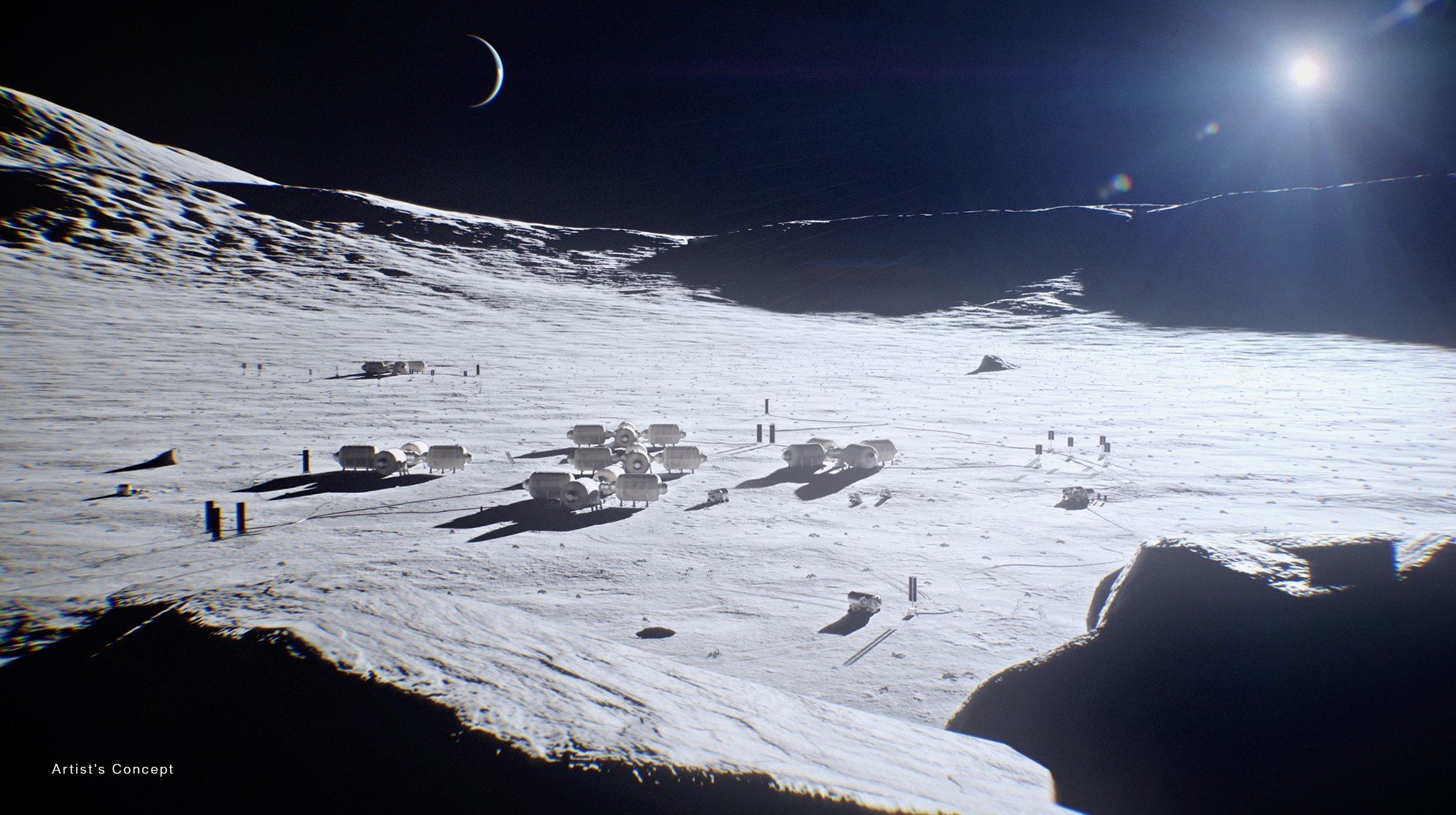
NASA shared an update on its Lunar Surface Innovation Initiative three days ago. This project creates new tools and power systems so astronauts can live and work on the Moon. It helps space teams build a lasting human presence on the lunar ground.
What is the NASA Lunar Surface Innovation Initiative?
The NASA Lunar Surface Innovation Initiative focuses on basic needs for deep space travel. NASA wants to find ways to extract local resources like water ice from the ground. Engineers also build tough power grids that can survive cold lunar nights without breaking down.
Living on the Moon requires brand new hardware that works in extreme dust and thin air. Private companies and college researchers build these tools together with government experts. This team effort helps test ideas faster than old space programs could ever manage. You can read about past ideas on NASA lunar outpost concepts to see how much things have changed.
How will new Moon technology help future missions?
Future Moon missions need heavy gear to move soil and construct safe shelters for workers. NASA aims to deploy robotic diggers and automated builders to clear areas before people land. Better landing gear and dust protection will also keep delicate computers safe during rough touchdowns.
These fresh designs pave the way for regular trips to the Moon rather than short visits. NASA plans to hire commercial rockets to drop off heavy equipment and scientific tools. People interested in private space hardware can check Commercial Lunar Payload Services to learn how private ships deliver supplies to space.
Why does space technology matter for life on Earth?
Tech made for the Moon often helps regular people back home on Earth. Solar panels, water purifiers, and light battery packs frequently trace their roots back to space research. When engineers solve hard problems in space, those answers make home devices cleaner and more reliable.
Extreme weather testing on Moon tools also leads to better construction materials on Earth. Remote power systems designed for dark craters can supply energy to isolated towns down here. Learning to survive with very few resources forces humans to invent smarter tech for everyone.
What comes next for NASA surface projects?
NASA will keep testing these tools in labs and on small robotic flights over the next few years. Each test proves if a machine can handle raw space radiation and floating dust. Passing these tests brings astronauts one step closer to working on the ground safely.
The main goal is preparing for long visits that lead to Mars exploration down the road. Scientists will carefully check how well these surface systems hold up during initial tests. More updates will come out as teams build larger prototypes and launch them into orbit.


Comments
Post a Comment